
tldr
Culture is not what a company says. It’s what people repeat, what leaders reward, and what everyone learns is normal. Individual behavior shapes the room, but leadership shapes the rules of the room. You don’t “have” a culture. You make one, every day.
Every morning my kid and I bike to school together. Along the way I say good morning to every parent, every kid, every teacher. I hold doors. I move out of the way. Not because someone told me to. Because that’s how you shape the space around you.
That’s culture.
I’ve been living in Denmark for around ten years, and one thing I’ve come to appreciate is how much small everyday gestures matter. On the street, on the bike lane, at school, people smile, say good morning, hold the door, make room. Small things, but they add up. They create a loop. One small act makes the next one more likely.
That is part of culture too. Good habits spread. Good acts cascade. And this is true almost anywhere: on the street, at work, at home, in a family, in a company. If you show up in a kind and constructive way, you make that behavior more likely in other people too. We do not exist in isolation. We live among other people, and the mood of the room belongs to all of us.
Of course, nobody is like this all the time. I’m not. Sometimes we’re tired or simply not up for much. But I still think we should aim for it. Not because we owe the world a performance, but because the way we show up affects other people, and they affect it in return.
Work is no different. A company is just another place where people teach each other what kind of behavior is normal.
How culture gets made

Culture is one of the most discussed words in the startup world, and one of the least understood. Most people talk about it as if it were a company trait, something that exists independently of the people inside it.
It isn’t.
Culture is the accumulation of repeated behavior. The small choices people make when no one is watching. Whether they say good morning. Whether they help when it costs them nothing. Whether they tell the truth when it’s uncomfortable. Over time those choices become expectations, expectations become norms, and norms become culture.
So yes, individual behavior matters. A lot. Doing your job well is baseline. Writing clean code or keeping clean books is your job, not your culture. Culture is everything around the work: how you treat people and whether you make the room lighter or heavier when you walk in.
But that is only half the story.
Culture is also what a group rewards, tolerates, and protects. If people who hoard information get promoted, that is culture. If someone can behave badly as long as they perform, that is culture too.
You do not “have” a culture. You make one, every day, individually and collectively.
The company makes it too
This is also where companies get it wrong.
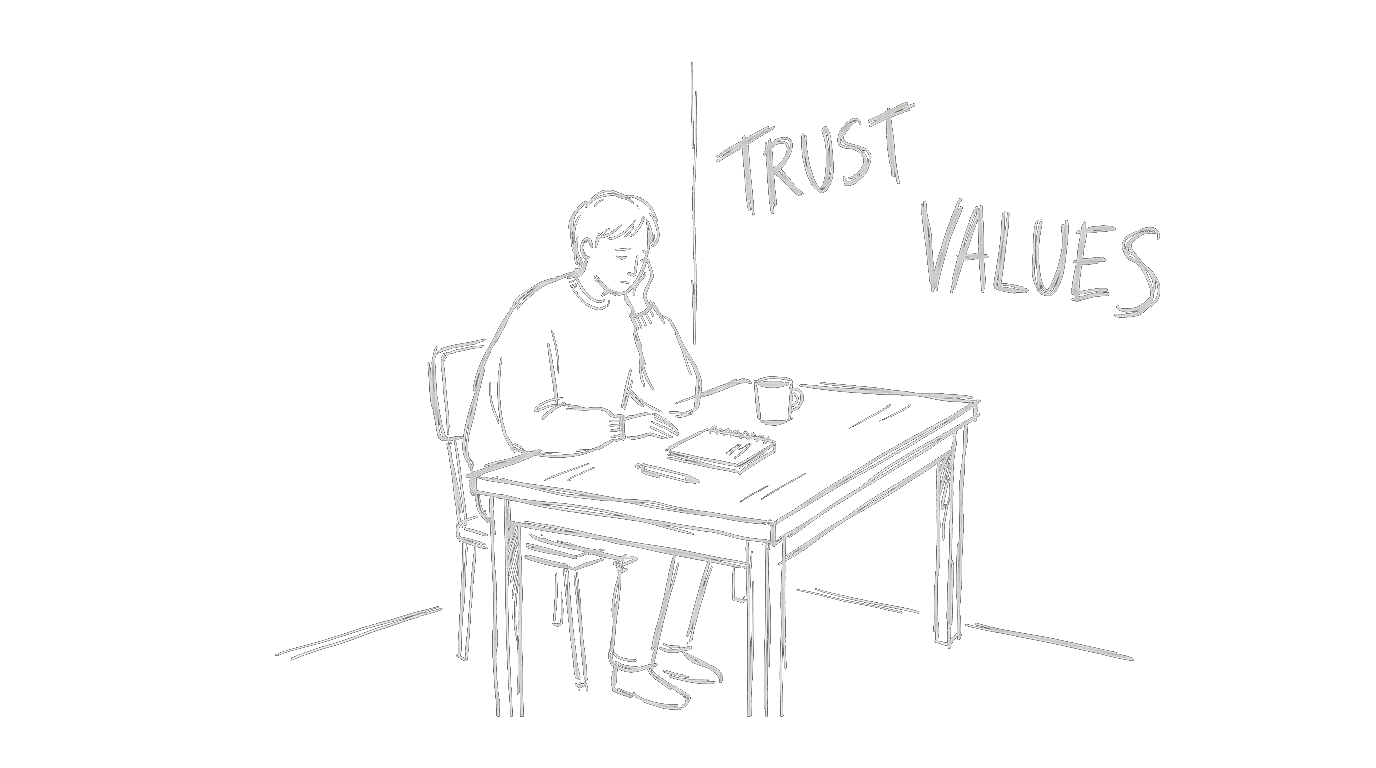
If you want openness but punish honesty, that is culture. If you say people matter but keep rewarding the ones who damage trust because they perform, that is also culture.
Companies love talking about culture as if it were a vibe problem. Usually, it’s an incentive problem. Or a leadership problem. Often both. People learn very quickly what actually matters by watching who gets promoted, who gets protected, and what behavior gets excused under pressure.
That is why culture cannot be reduced to individual behavior. We all shape the room, but the company shapes the rules of the room. It tells people what is safe, what is rewarded, and what will be ignored.
You cannot ask people to be generous in a system that rewards selfishness. You cannot ask people to speak up in a system that punishes candor. If the company itself keeps teaching the wrong lesson, calling it a “culture issue” is dishonest.
Professional enough to disagree

There is another part of culture people avoid talking about: professionalism.
Even in imperfect systems, individuals are still responsible for how they handle tension. No normal person enjoys conflict. I don’t. Most people don’t. But professionalism means raising concerns directly, respectfully, and in the room where something can actually change.
What happens instead is passive aggression. People avoid the conversation, then move the conflict somewhere safer: gossip, resentment, sarcasm, complaints over beers, side channels. None of that solves anything. It teaches people that honesty is dangerous and politics is safer. And over time, those behaviors become the culture everyone claims to dislike.
Bad cultures can make directness harder. But avoided conflict does not disappear. It becomes culture.
Healthy culture requires both institutional safety and individual courage.
What leadership can do
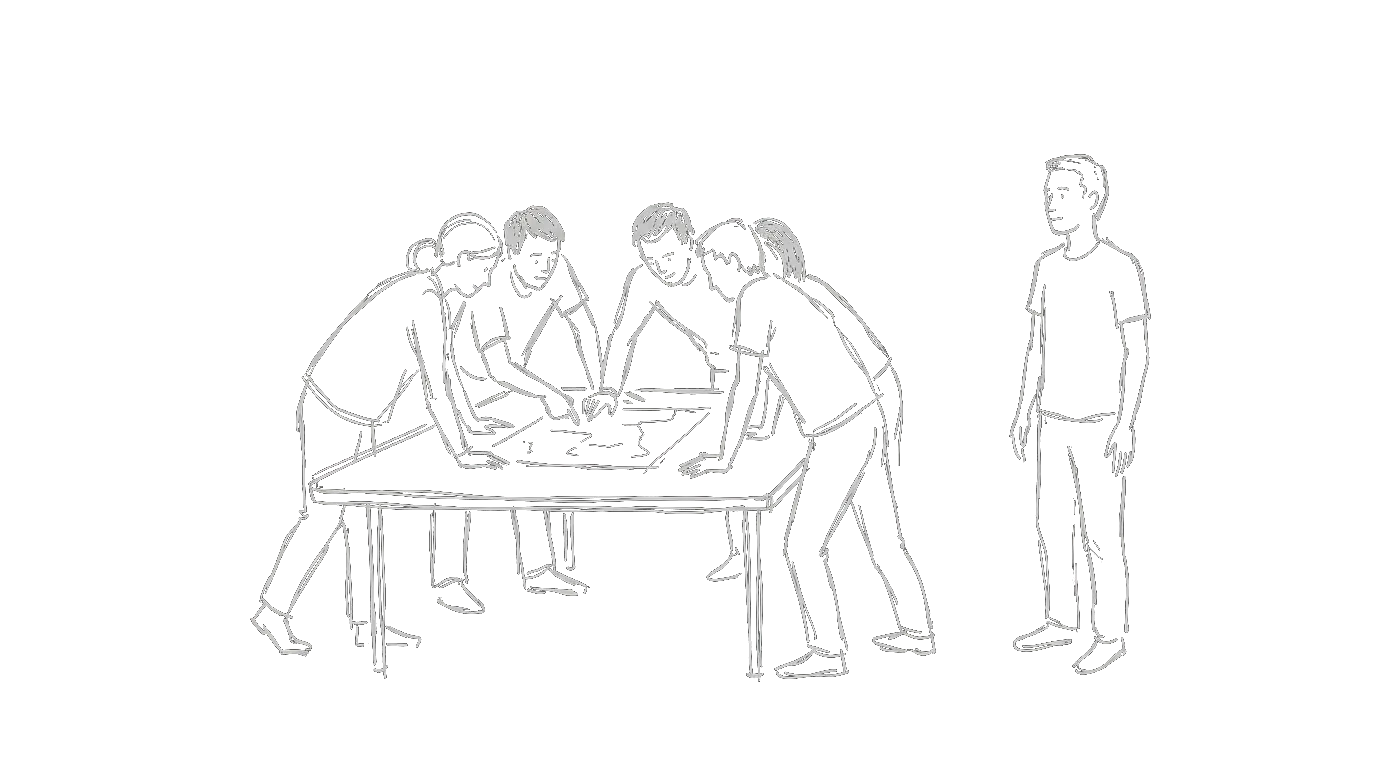
Individual behavior does a lot of the daily work, but leadership shapes the conditions. Leaders decide what gets rewarded, what gets ignored, what gets confronted, and who feels safe to speak. They do not create culture with slides. They create it with consequences.
Once trust exists, one of the best things leaders can do is stop overmanaging. Give people room to take initiative, solve problems directly, and act like owners. But autonomy only works when standards are clear and people feel protected.
Good leaders do both. They get out of the way when they should, and step in when they must. They refuse to reward behavior that corrodes trust, no matter how valuable the person seems.
You cannot ask your team to be open and direct if you are political or afraid of hard conversations yourself. People learn culture less from what leaders say than from what leaders allow.
So yes, we are the culture. But that we includes leadership, incentives, structure, and consequences, not just individual goodwill.
Culture is not what you expect. It is what people learn will happen here.
It is what you repeat, reward, tolerate, and protect.